
Chobe Day Trip
1 photos
Duration
1 Day
Min People
2
Min Age
3
Pickup
Included
Where the Elephant Come to Drink
Chobe National Park holds the largest concentration of elephants on earth – over 120,000 animals ranging across a landscape where the Chobe River acts as the beating heart of all wildlife. This is the park that made Botswana famous. And on a clear morning in July, when a herd of two hundred elephants wades into the shallows while you drift past in a boat at eye level, it will make you understand why people come back to Africa again and again.
This day trip brings you there from Victoria Falls and back in a single, well-orchestrated day – no overnight commitment, no logistics to figure out, just a clean and complete safari experience curated by people who know this route intimately.
Your Day Unfolds Like This
An early hotel pickup sets you in motion before the day heats up. Your driver heads northeast through Zimbabwe’s Zambezi corridor – itself a wildlife zone, with elephants and giraffe frequently visible from the road. At Kasungula, your guide handles both sides of the border crossing while you simply hold your passport and take in the changing landscape.
Once inside Chobe, the morning belongs to the river. You board a purpose-built safari boat and spend three unhurried hours drifting along one of Africa’s most wildlife-rich waterways. Hippos surface in pods around the boat. Crocodiles line every sandbank. Kingfishers flash electric blue across the water. And the elephants – the elephants are everywhere, drinking, swimming, moving in great unhurried herds between the reeds and the open flood plain.
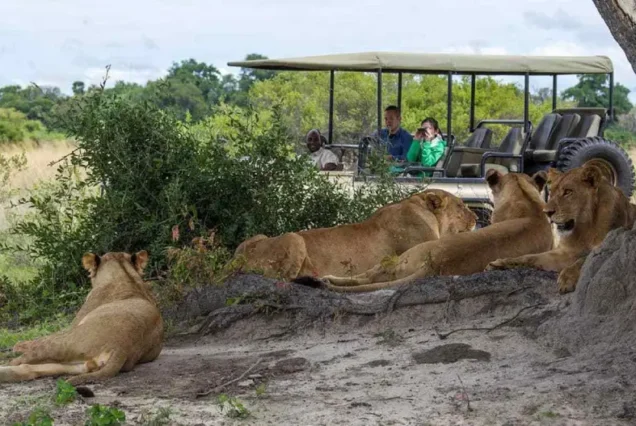
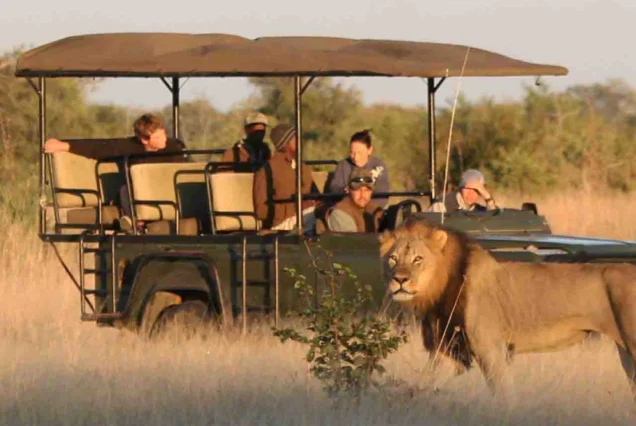
Midday means lunch. A proper buffet at a riverside hotel, with time to sit, breathe, and watch the river while you eat. Then the afternoon shifts you onto land – into an open 4×4 game drive vehicle for three more hours inside the national park, tracking lion through the mopane woodland, watching giraffe browse above the tree canopy, and moving through the golden-lit landscape as the shadows lengthen.
You are back across the border and in your Victoria Falls hotel before dinner.
What You Might Encounter
- African Elephant – certain. Herds of 50 to 200+ are common year-round
- Hippopotamus – pods throughout the river, highly active from the boat
- Nile Crocodile – basking on every sandbank along the Chobe
- Lion – regularly encountered near the river on morning and afternoon drives
- Buffalo – large dry-season herds congregate at the riverfront
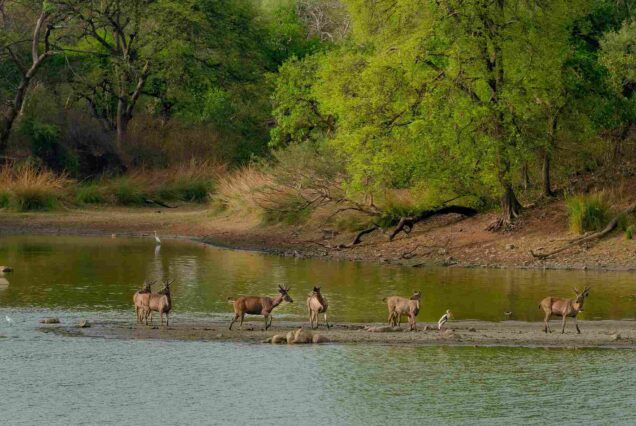
- Giraffe, Zebra, Impala, Kudu – abundant throughout the park
- African Fish Eagle – heard and seen on virtually every river cruise
- Leopard – present in the riverine forest; a lucky and memorable sighting
The Best Time to Visit
Chobe rewards visitors in every season, but the dry months from May through October bring an intensity of wildlife that is difficult to overstate. As water sources across the broader landscape dry up, every species converges on the Chobe River. September and October in particular produce scenes of extraordinary density – elephant herds that stretch across the floodplain, predators following prey, and a river so full of life that every glance delivers something new.
The green season from November to April transforms the park into lush, rain-washed beauty. Wildlife spreads out, birdwatching peaks, and newborn animals appear throughout the bush. A different experience, but no less rewarding.
What’s Included
- Return hotel transfers from Victoria Falls, Zimbabwe
- Full border crossing assistance at Kasungula (Zimbabwe to Botswana and return)
- Three-hour morning boat cruise on the Chobe River
- Buffet lunch at a riverside hotel
- Three-hour afternoon game drive in Chobe National Park (open 4×4)
- Professional licensed guide throughout the day
- Bottled water
- All drinks during the day
Not Included
- Chobe National Park entry fees – US$20 per person, payable separately
- Visa fees if applicable to your nationality
Good to Know
- Minimum 2 guests required to confirm departure
- Minimum age: 3 years
- Children under 18 must carry an original birth certificate at the border
- Most nationalities do not require a visa for Botswana – confirm before travel if unsure
- Wear neutral colours: khaki, olive, beige. Bright clothing disturbs wildlife
- Bring sunscreen, a hat, insect repellent, and a camera with room to spare
Included/Excluded
- Transfers from Victoria Falls-based hotels
- Drinks
- Lunch
- Professional guide
- Chobe River cruise
- Chobe National Park game drive
- US$20 National Parks fees per person
- Visas fees if applicable
Tour Plan
Activity Categories
- Helicopter Flights
- Zambezi River Cruises
- Scenic, Wildlife & Nature
- Adrenalin
- Food & Culture
One response to “Chobe Day Trip”
Leave a Reply
From
$229.00
Booking Form
Enquiry Form
cryptomania223@gmail.com